

The Same Event Seen Differently
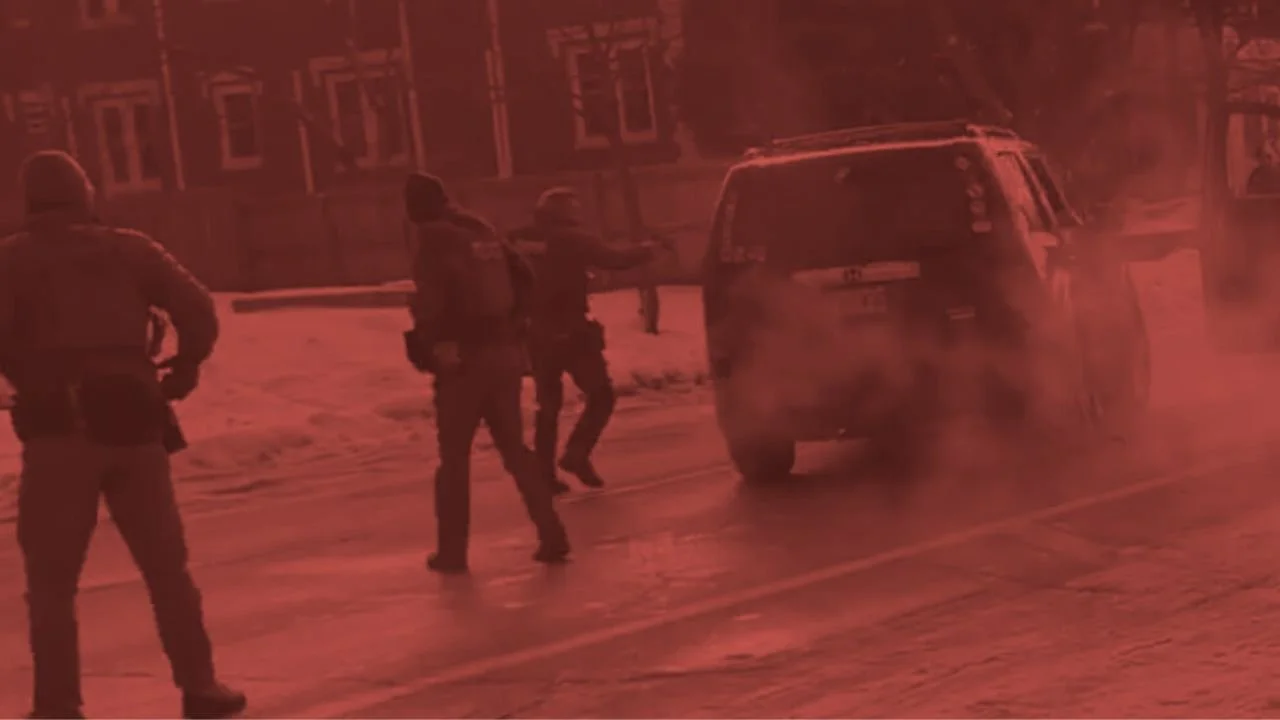
This letter to the editor, by John Krizek, appeared in the Hudson Star Observer on January 22, 2026.
The recent killing of a U.S. citizen in Minneapolis by an ICE agent has sent emotions soaring. The flood of social media posts and heated responses revealed polarization deeper than I could have imagined. Faced with clear video evidence, people interpreted the same footage in drastically different ways — like an inkblot test where each viewer saw only what confirmed their beliefs. An unarmed woman was shot and killed, yet immediate and absolute conclusions were drawn before any official investigation. Facts no longer seem to matter as much as belonging to a side.
We all try to preserve our beliefs: once we accept a story, we filter all future information through those beliefs. We dismiss anything that contradicts it. Since our beliefs control our bias we seek out and trust information that confirms what we already think.
These biases then grow even stronger when our beliefs are tied to our identity. For many Americans, political loyalties have become personal ones. Rejecting a narrative — such as claims that the 2020 election was stolen — can feel like rejecting a community or even a part of ourselves. The fusion of beliefs, biases and identity helps explain why facts and evidence alone so rarely change minds.
Unverified assumptions intensify the problem. In uncertain times, stories about hidden control or secret forces like “Jewish Space Lasers” offer a false sense of clarity and certainty. Once someone embraces one conspiracy, others often follow naturally.
Our information environment reinforces all of this. Online communities and bots amplify emotionally charged content. Familiar voices repeat the same narratives until falsehoods start to feel true. This is motivated reasoning — our instinct to interpret facts in ways that protect what we already believe rather than challenge it.
To bridge this widening divide, we must commit to honest, respectful dialogue. We need to listen to one another and start from what we share in common. Cooling our heads and warming our hearts may be the only way to remember that truth is not partisan — and that our shared humanity must come before our disagreements.