

Is Iran Really a One-and-Done War?
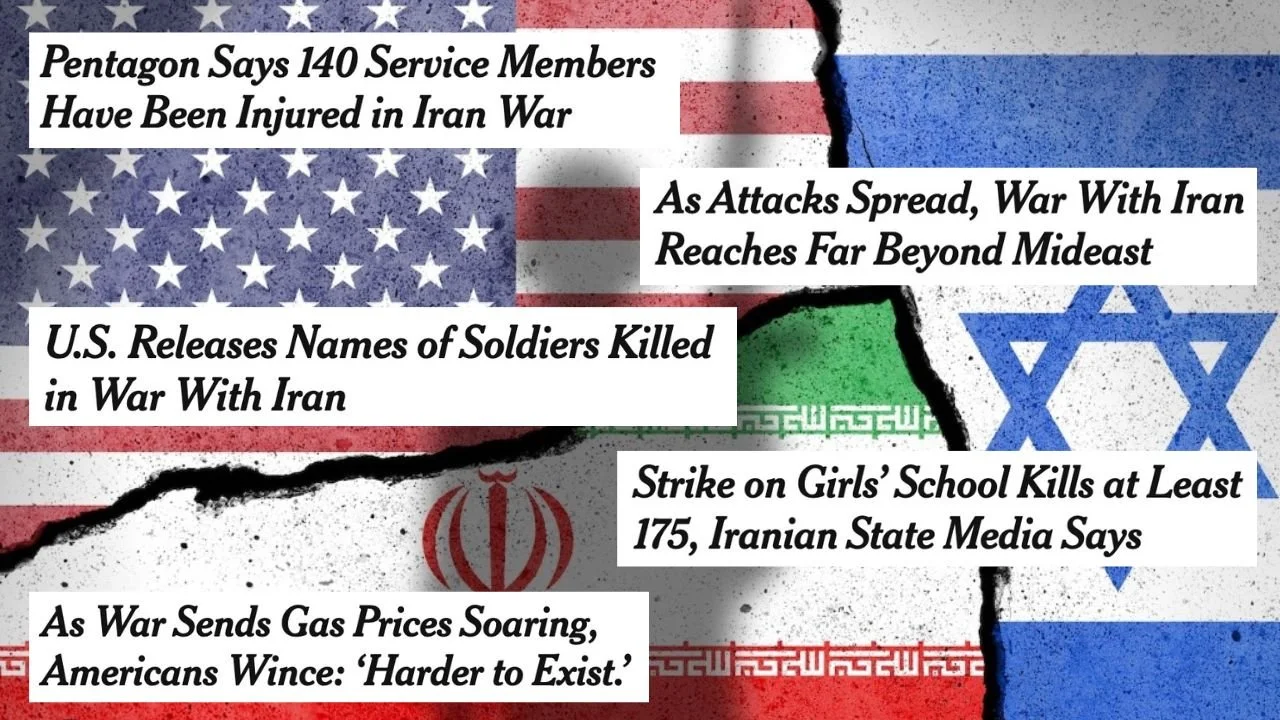
This letter to the editor, by John Krizek, appeared in the Hudson Star Observer on March 19, 2026.
There is a particular kind of delusion that only thrives in gilded rooms — the fantasy that you can decapitate a regime with a Saturday night airstrike and be home in time for Sunday golf. For 45 years, American presidents of both parties despised Tehran’s theocracy. Every one of them ultimately stepped back from full-scale war because they understood something fundamental: starting a war with Iran is easy. Ending one is not.
Now Donald Trump has done what others refused. He and Israel launched an all-out attack, declared Supreme Leader Khamenei dead, and called it victory. Few will mourn a man who built a career chanting “Death to America.” But let’s dispense with the notion that killing one aging cleric equals regime change. This is not a Bond villain lair. This is a hardened security state with militias, proxies, oil leverage and a culture steeped in martyrdom.
Trump’s early morning ultimatum — lay down your weapons or face certain death — wasn’t a strategy. It was testosterone in all caps. Within hours, Iranian counterstrikes hit Bahrain, Dubai, Abu Dhabi and Israel. Drones targeted the U.S. Fifth Fleet and the Strait of Hormuz slammed shut — choking off one-fifth of the world’s oil supply. Markets convulsed, tankers fled, and energy prices spiked. Trump promised a “short, decisive” mission but triggered the very global disruption every president before him feared. The “in and out” fantasy died before the embers cooled.
The deeper danger isn’t just escalation — it’s miscalculation. Iran’s rulers are brutal, but not suicidal. By creating a martyr and strangling global oil lanes, Trump may have revived the very regime he sought to bury. Once a president frames a war as regime change, he can’t politically afford half measures. That means deeper strikes, more troops, more coffins. Trump owes the American people clarity, congressional authorization, and a defined end state. Because once the first strike is launched, pride becomes policy.
And pride is a terrible commander in Chief.